
Favorite Products For Fixing Brick Sidewalk Cracks And Gaps
Identify the most popular solutions to fill cracks, stabilize bricks, and improve the overall integrity of your sidewalk.
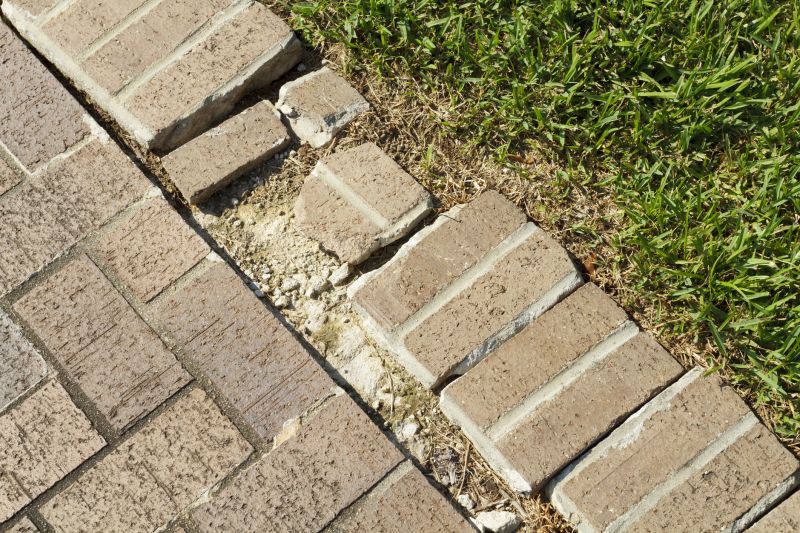 Maintaining a brick sidewalk requires a selection of specialized products designed to address common issues such as uneven surfaces, cracked bricks, and loose paving. These products help restore the integrity and appearance of brick pathways, ensuring safety and durability over time. From mortar mixes to repair kits, there are numerous solutions tailored to different repair needs. Proper selection and application of these materials can significantly extend the lifespan of brick walkways and reduce the need for more extensive replacements.
Top Overall Option
Versatile Brick Repair Mortar
A high-quality mortar mix designed specifically for brick sidewalk repairs offers excellent adhesion and durability. It is formulated to match the appearance of traditional brickwork and withstand foot traffic and weather exposure. Easy to mix and apply, this product provides a reliable solution for both minor and moderate repairs, helping to restore the safety and integrity of brick pathways.
Types of Products For Brick Sidewalk Repairs
Brick Repair Mortar
Specially formulated mortar for bonding and filling cracks in brick surfaces, suitable for various repair scales.
Polymer-Based Patching Compound
Flexible patching compounds that adhere well to brick and accommodate slight movements without cracking.
Concrete Patch Mix
Concrete-based mixes used for larger repairs or leveling uneven brick surfaces.
Brick Replacement Blocks
Pre-cut or custom-sized bricks for replacing damaged or missing units in the sidewalk.
Joint Sand or Polymer Sand
Sand or polymer-enhanced sand used to fill joints between bricks, preventing weed growth and shifting.
Sealants and Waterproofing Coatings
Protective coatings that seal the surface, helping to prevent water infiltration and freeze-thaw damage.
Crack Repair Kits
Complete kits containing fillers, tools, and instructions for repairing small cracks efficiently.
Leveling Sand or Gravel
Base materials used to create a stable foundation before laying bricks or repairing existing ones.
Bonding Agents
Adhesives that enhance the bonding of new mortar or patching compounds to existing brick surfaces.
Repointing Tools
Specialized tools for removing old mortar and applying fresh mortar during repairs.
Cleaning and Prep Solutions
Solutions designed to clean brick surfaces and prepare them for repairs, ensuring better adhesion.
Grout and Mortar Colorants
Colorants that match or enhance the appearance of existing mortar or bricks for a seamless look.
Drainage and Weep Hole Products
Materials to improve drainage around the sidewalk and prevent water accumulation that can damage bricks.
Expansion Joints
Materials to accommodate movement and prevent cracking in large brick installations.
Popular Choices
A trending repair compound known for its flexibility and ease of use in patching bricks.
Convenient pre-mixed mortar options favored for quick repairs and consistent results.
Popular for filling joints with a durable, weed-resistant material that helps stabilize bricks.
Used to address uneven surfaces, this product is frequently chosen for its ease of application.
A common choice for protecting brick surfaces from water damage and freeze-thaw cycles.
Popular for sealing small cracks quickly and effectively, maintaining the integrity of brickwork.
Prefabricated or custom bricks used frequently for replacing damaged sections.
Essential tools that are often used in conjunction with repair mortar for precise application.
Top-rated cleaning agents for preparing brick surfaces before repairs.
Widely used to enhance drainage and prevent water accumulation around sidewalks.
Popular for blending repairs seamlessly with existing brickwork.
Frequently selected to accommodate movement in larger brick installations.
When considering repairs, it's important to evaluate the extent of the damage and the specific type of brick used. Some products are formulated for minor cracks and loose bricks, while others are suitable for larger repairs or structural stabilization. Using the right materials ensures that repairs blend seamlessly with existing bricks and withstand foot traffic and weather conditions.
Preparation is key to successful brick sidewalk repairs. Cleaning the area thoroughly, removing loose debris, and ensuring a dry surface can improve adhesion and overall results. Many repair products come with detailed instructions to guide users through the process, from mixing to curing. For larger projects, having a variety of tools such as trowels, brushes, and levels can facilitate a smooth repair process.
Overall, choosing quality repair products and understanding their proper application can help maintain the safety, functionality, and aesthetic appeal of brick sidewalks. Whether addressing minor cracks or major displacements, selecting the appropriate materials and techniques is essential for achieving durable and visually appealing results.
Key Buying Considerations
- Type and extent of damage to determine the appropriate repair product.
- Compatibility of repair materials with existing brick and mortar.
- Ease of application and whether tools or additional equipment are needed.
- Weather conditions during repair to ensure proper curing and adhesion.
- Matching color and texture for aesthetic consistency.
- Durability and resistance to foot traffic, weather, and freeze-thaw cycles.
- Flexibility of repair compounds for areas prone to movement.
- Preparation requirements, including cleaning and surface prep.
- Size and scope of the repair project to select suitable quantities.
- Compatibility with existing drainage and waterproofing measures.
- Ease of mixing and working time for efficient application.
- Availability of repair kits versus individual products.
- Cost considerations balanced with quality and longevity.
- Brand reputation and user reviews for confidence in product performance.
- Environmental and safety considerations, including non-toxic formulations.